3-3-3 Rule for Puppy Training: Days, Weeks, Months
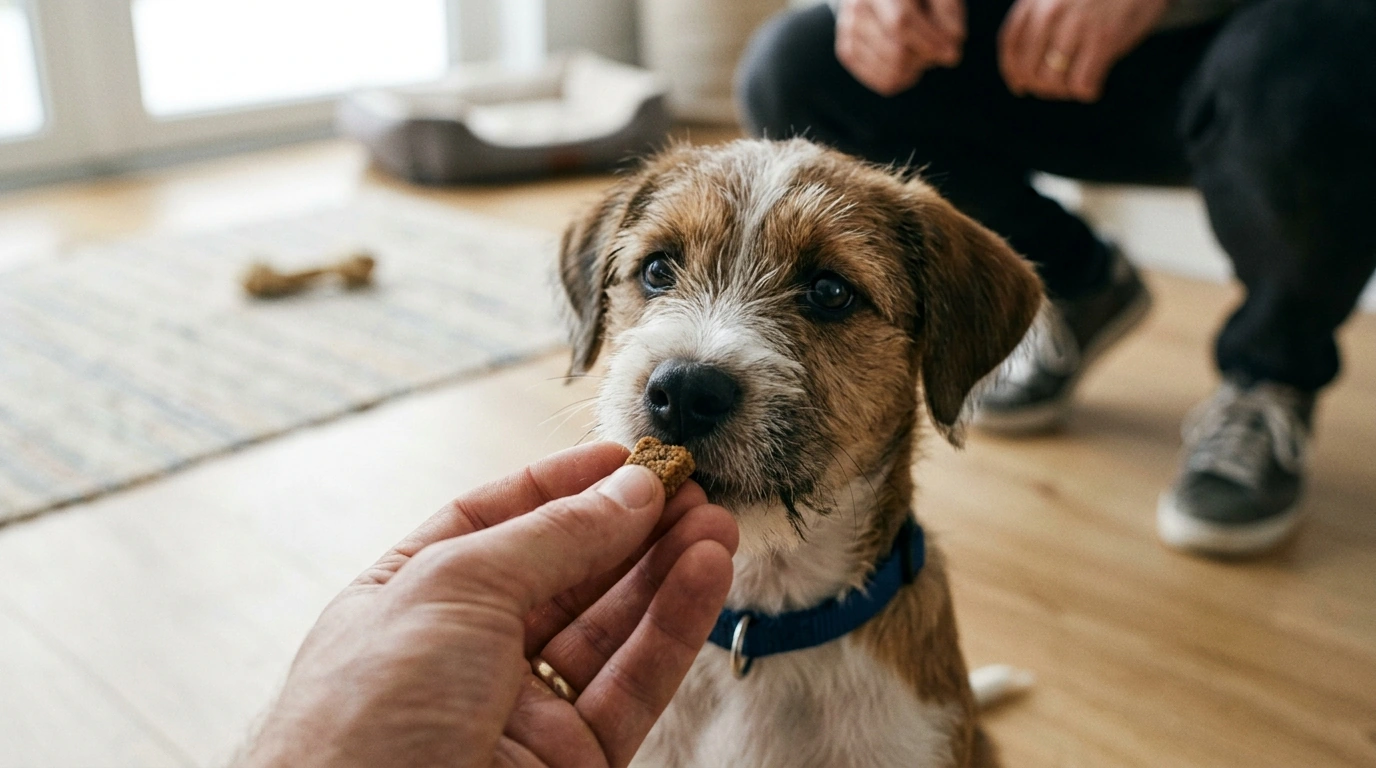
What is the 3-3-3 rule for puppy training?
The 3-3-3 rule is a simple timeline that helps set realistic expectations during a puppy’s first weeks in a new home. It breaks the adjustment period into three stages—3 days, 3 weeks, and 3 months—so training plans stay patient, consistent, and fair while your puppy learns what “normal” looks like.
The first 3 days: decompress and observe
During the first three days, many puppies feel overwhelmed. Some may seem shy and quiet, while others act hyper or clingy. Keep life calm: limit visitors, stick to a predictable schedule, and focus on basics like potty breaks, meals, sleep, and gentle bonding. Training should be light—reward calm behavior, start name recognition, and avoid punishing accidents while your puppy is still figuring out the new environment.
The first 3 weeks: build routines and begin foundations
By about three weeks, your puppy starts to settle in and show more of their real personality. This is a strong window for routine-based training: consistent potty trips, crate or confinement practice, short leash walks (as appropriate), and simple cues like “sit” and “come.” Keep sessions brief, use rewards your puppy loves, and repeat the same rules so expectations don’t change day to day.
The first 3 months: confidence, trust, and reliable habits
At around three months, many puppies feel at home and begin forming lasting habits—good or bad. Continue socialization in safe, positive ways, increase distractions gradually during training, and reinforce calm manners (no jumping, gentle mouth behavior, waiting at doors). If a behavior problem is growing, this is the time to tighten management and consider professional help before it becomes a routine.
For a deeper breakdown and practical tips, visit the main guide on puppy training rules.
FAQ
How can I help my puppy settle in faster?
Stick to a steady daily schedule for potty, meals, play, and sleep, and keep the first week low-key. Reward calm behavior, supervise closely to prevent accidents, and give your puppy a quiet space to rest.









Leave a comment