Is 1 Hour of Deep Sleep Enough? What’s Normal
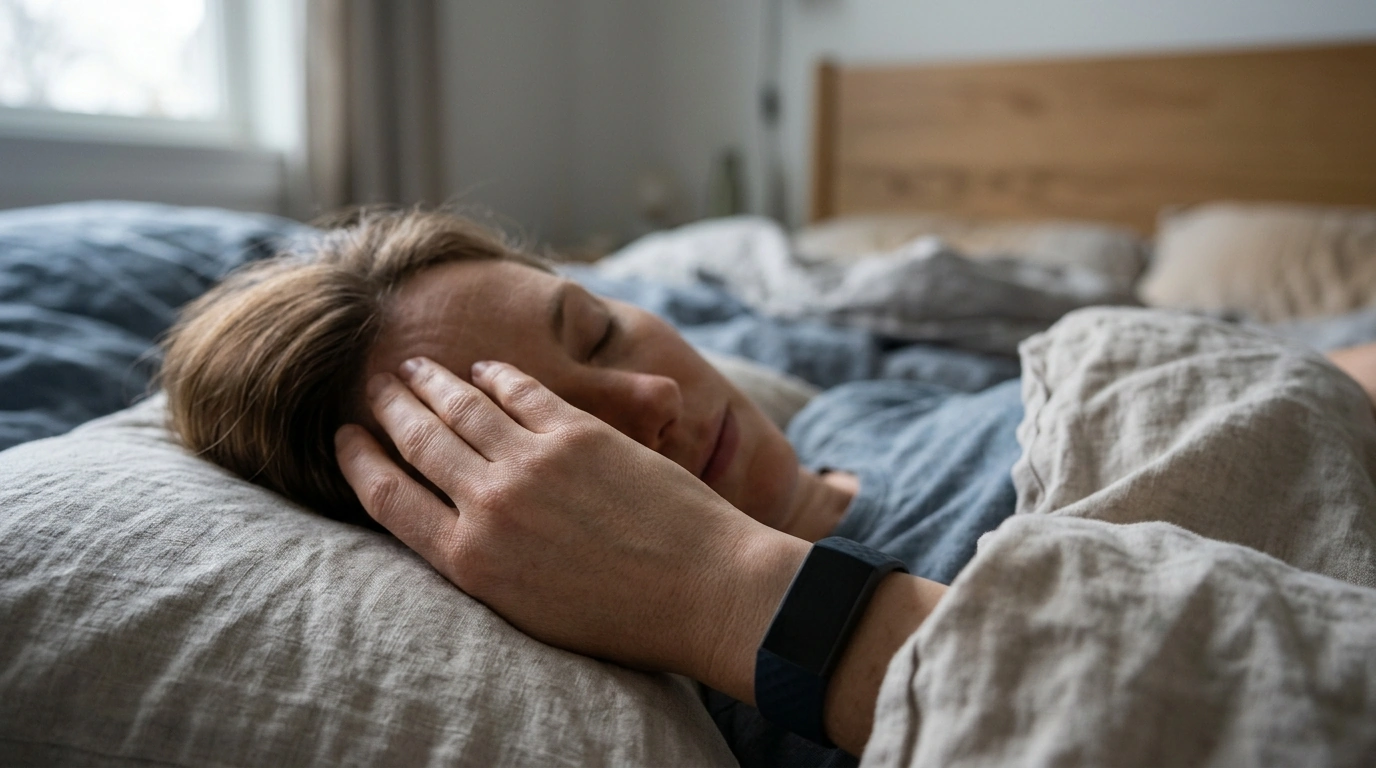
Is 1 hour of deep sleep per night enough?
For most adults, 1 hour of deep sleep (also called slow-wave sleep) can be enough on some nights, but it’s often on the low end—especially if it’s consistently the only deep sleep you’re getting. Deep sleep supports physical recovery, immune function, and feeling refreshed. Typical deep sleep time varies by age and person, but many adults land around 1–2 hours per night, with a smaller share as they get older.
Why 1 hour might be fine sometimes
Deep sleep naturally clusters earlier in the night and can fluctuate with stress, exercise, illness, alcohol, and bedtime timing. If total sleep is solid (roughly 7–9 hours for many adults) and daytime energy, mood, and focus are stable, 1 hour of deep sleep may be perfectly normal. Wearables can also underestimate or overestimate stages, so a single number shouldn’t be treated like a medical measurement.
When 1 hour may not be enough
If 1 hour is paired with short total sleep, frequent awakenings, or persistent daytime sleepiness, it can signal that sleep quality isn’t meeting your needs. Signs that deep, restorative sleep may be lacking include waking up unrefreshed, needing heavy caffeine to function, irritability, brain fog, or feeling “wired but tired” at night.
What to do if deep sleep seems consistently low
Start with the basics that support deeper sleep: a consistent sleep schedule, a cooler/darker room, limiting alcohol late in the day, and reducing late-night heavy meals. Regular daytime activity helps, while late-night intense workouts can be hit-or-miss depending on the person. If loud snoring, gasping, or high blood pressure are in the picture, consider screening for sleep apnea, since it can fragment deep sleep.
For a deeper breakdown of what deep sleep means, what’s typical by age, and how to improve it, visit the main guide: https://reliableitemsstash.shop/is-hour-of-deep-sleep-per-night-enough/.
FAQ
How can I increase deep sleep naturally?
Keep a consistent sleep and wake time, keep your bedroom cool and dark, and limit alcohol and heavy meals close to bedtime. Daily exercise and morning light exposure also support stronger nighttime sleep depth.











Leave a comment